
Possum Archaeologists
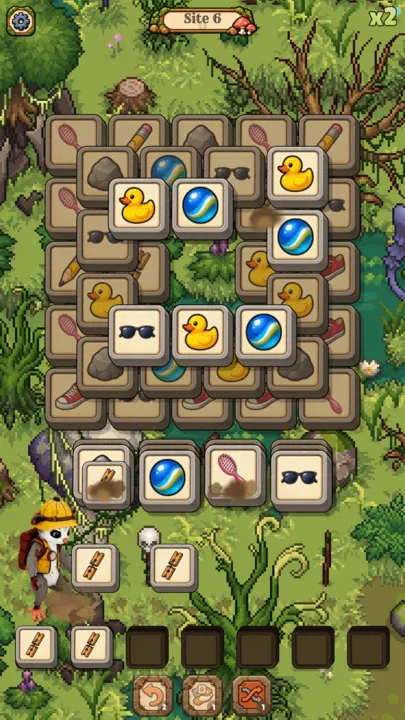
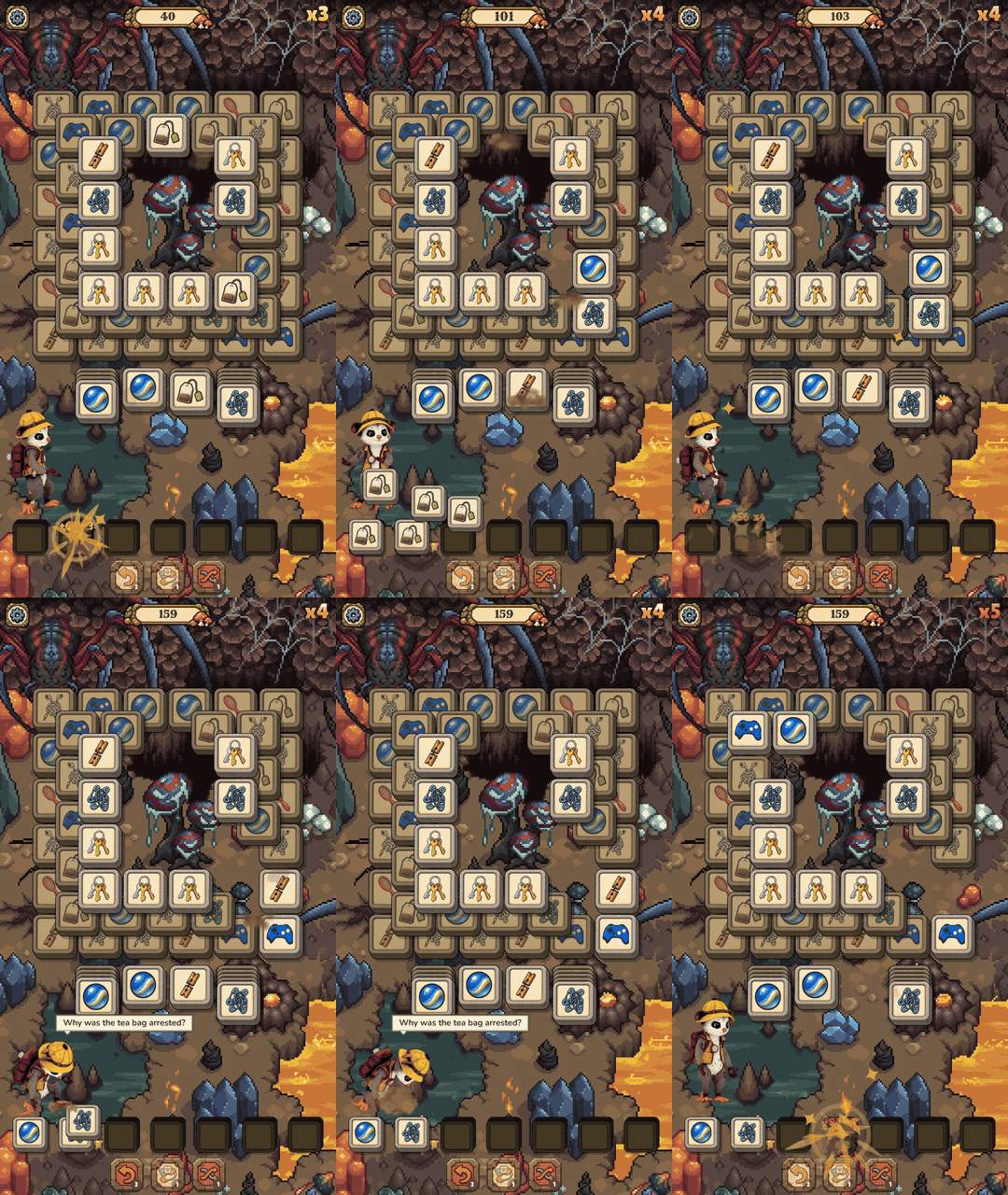
Two possum archaeologists have excavated a junkyard and are entirely convinced they have found priceless ancient relics. It is a rubber duck. It is a broken flip phone. They do not care — every piece of rubbish is solemnly catalogued under its museum name, and a bottle cap becomes the Crown of the Fizz King.
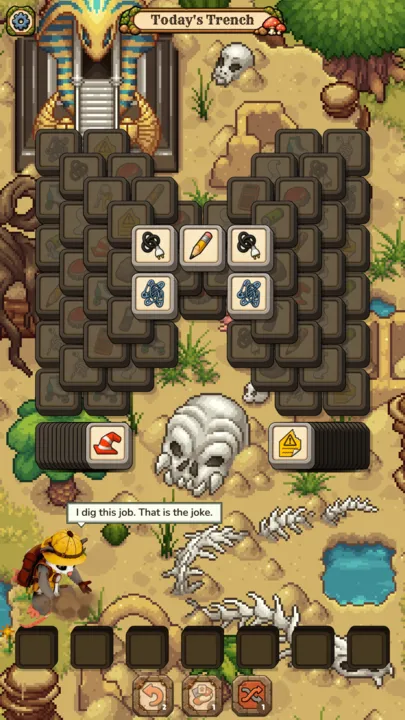
Underneath the joke it is a tile-pile matcher. Only uncovered relics can be tapped, three of a kind clear, and the seven-slot tray never gets any bigger.
- 77KB of gzipped JavaScript for the entire game — engine, interface and all. No Unity, no three.js, no Phaser: raw WebGL and TypeScript on Bun.
- One draw call for most frames. Sprites, particles and the whole UI share a single texture atlas and a single batch.
- A skinned-mesh renderer written from scratch, so the mascot is a real rigged 3D character standing over a 2D board — 334KB for eleven animations, where baked sprite sheets cost 574KB for one.
- A cheap Android phone is the floor. 60fps target, zero allocations in the frame loop, and a second shading path for GPUs that refuse the fast one.
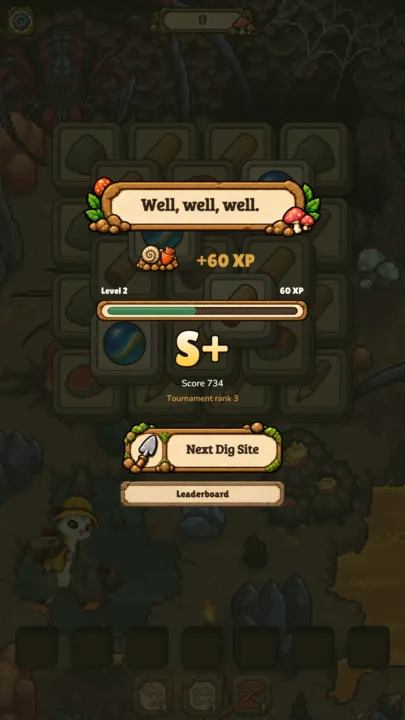
- Live from day one: weekly tournaments, a daily leaderboard, cloud saves, remote difficulty tuning and churn funnels.
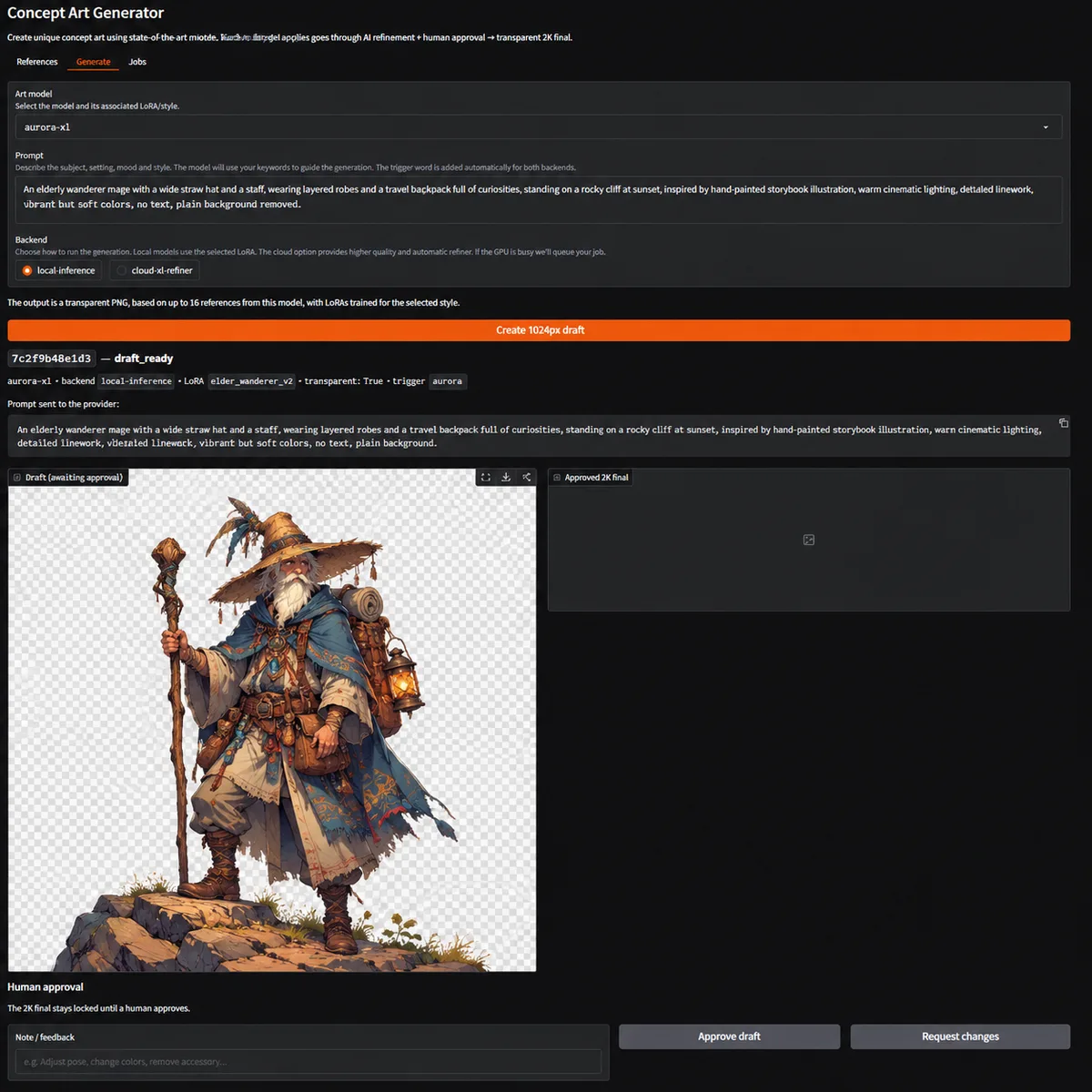
Almost all of the content is produced by an agentic pipeline. A concept-artist agent sets the visual direction; a technical artist generates sprites and drives image-to-3D character generation and rigging; an audio agent writes the sound effects and voice lines; a marketing agent captures gameplay and builds the store set. Each runs on a least-privilege tool allowlist, each is cost-gated before it may spend a cent, and none of them is allowed to call the work done — a read-only verifier does that.
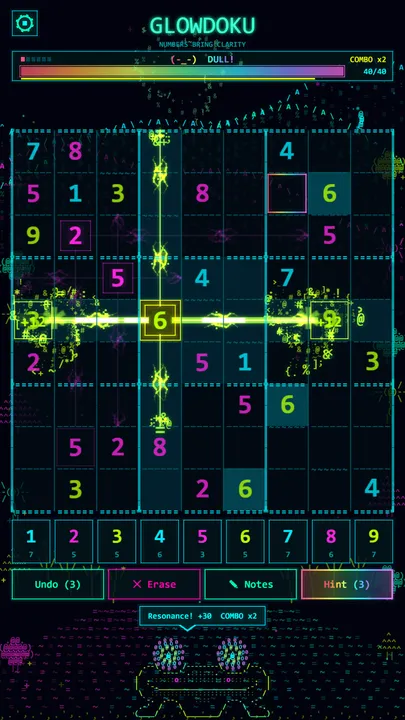
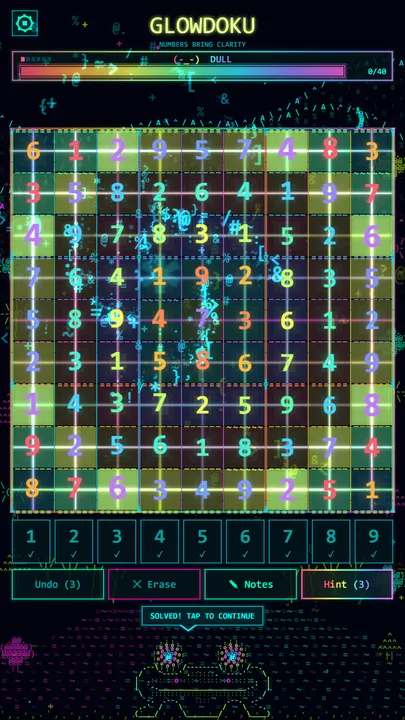
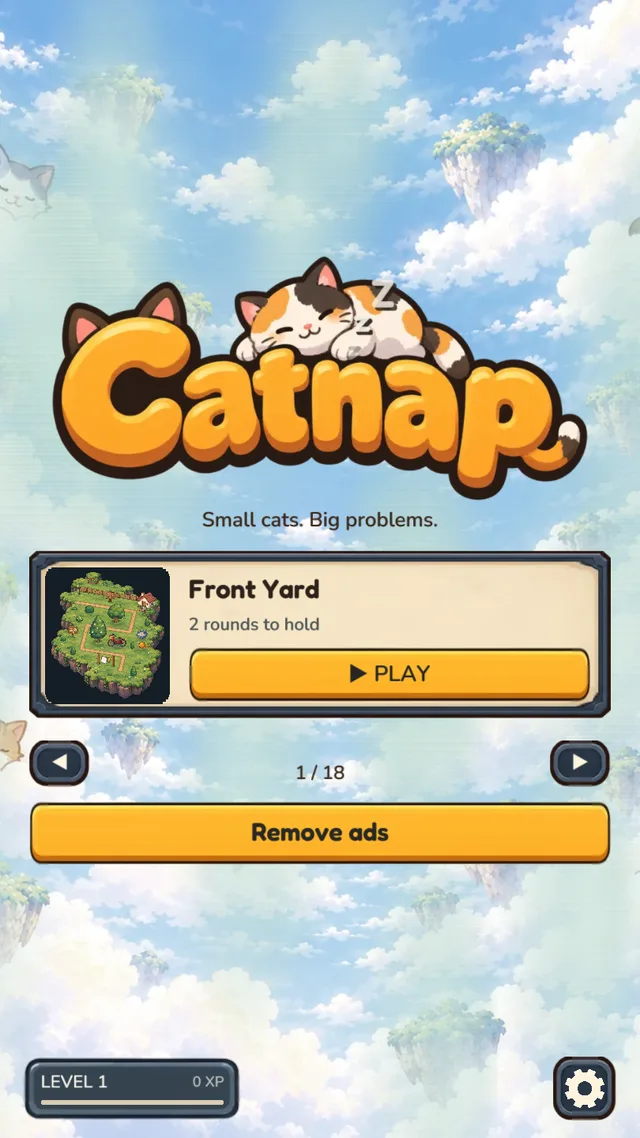
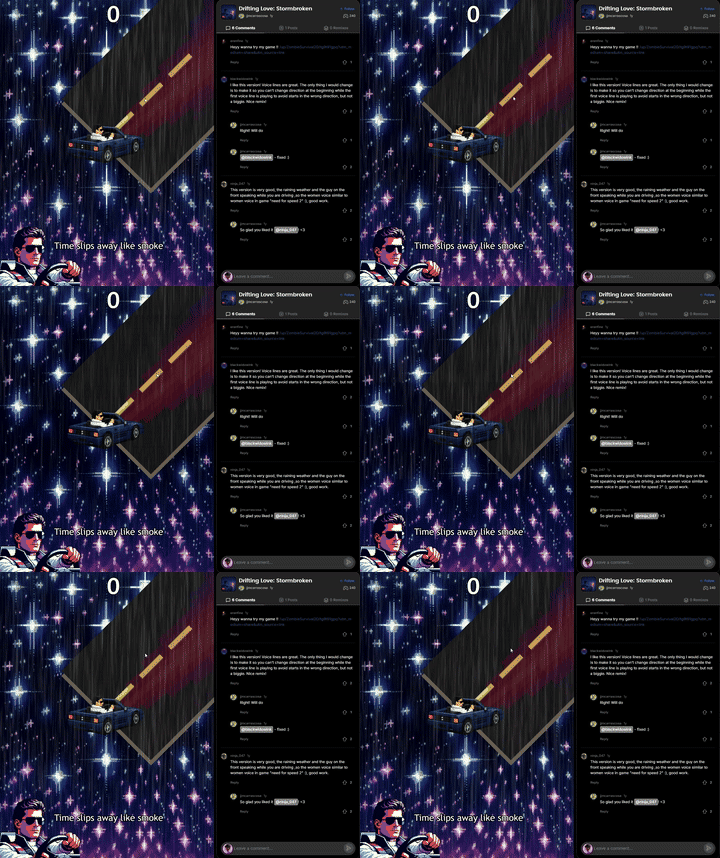
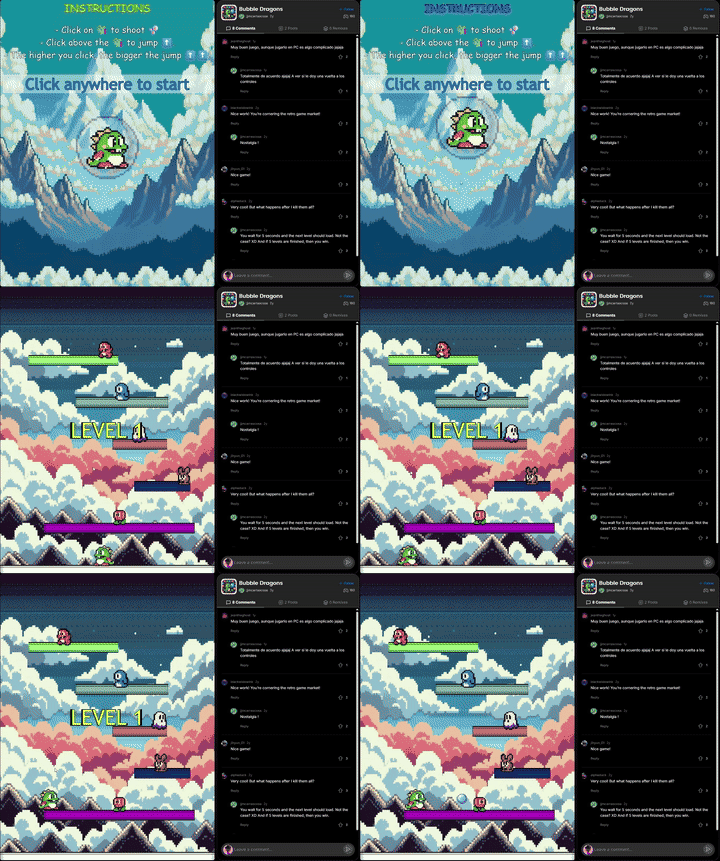
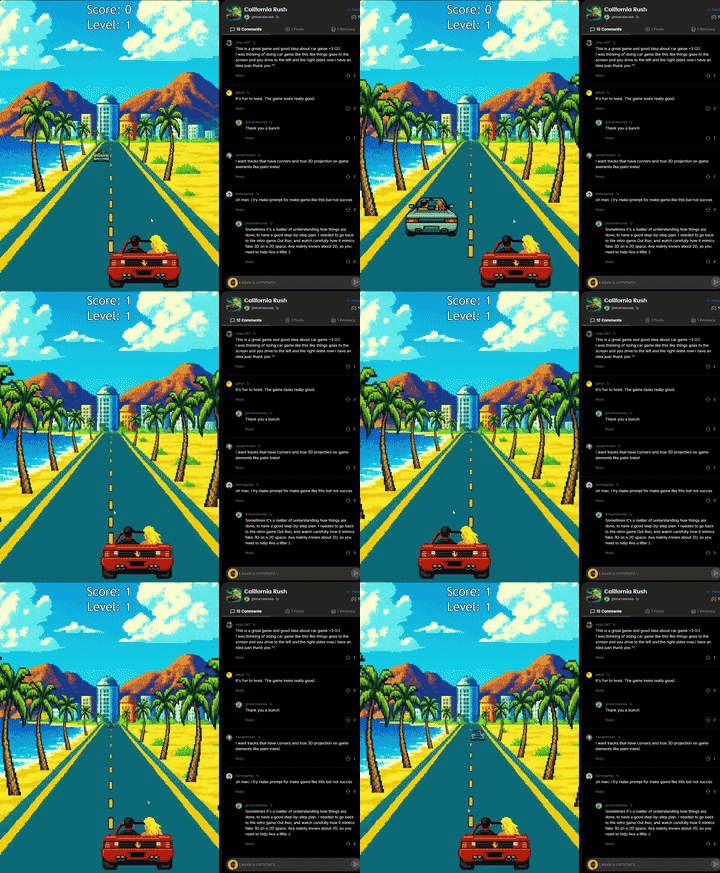
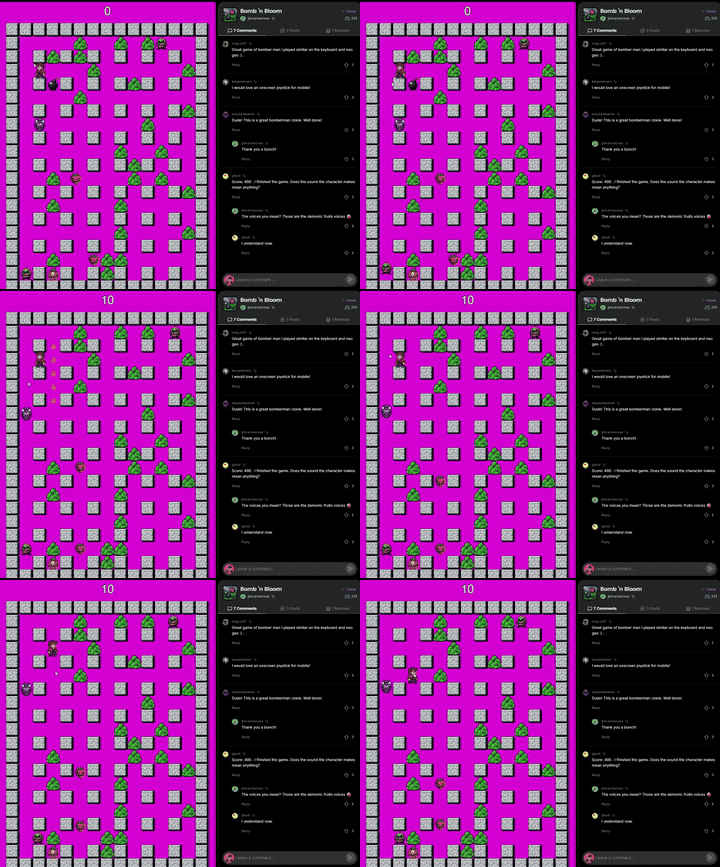
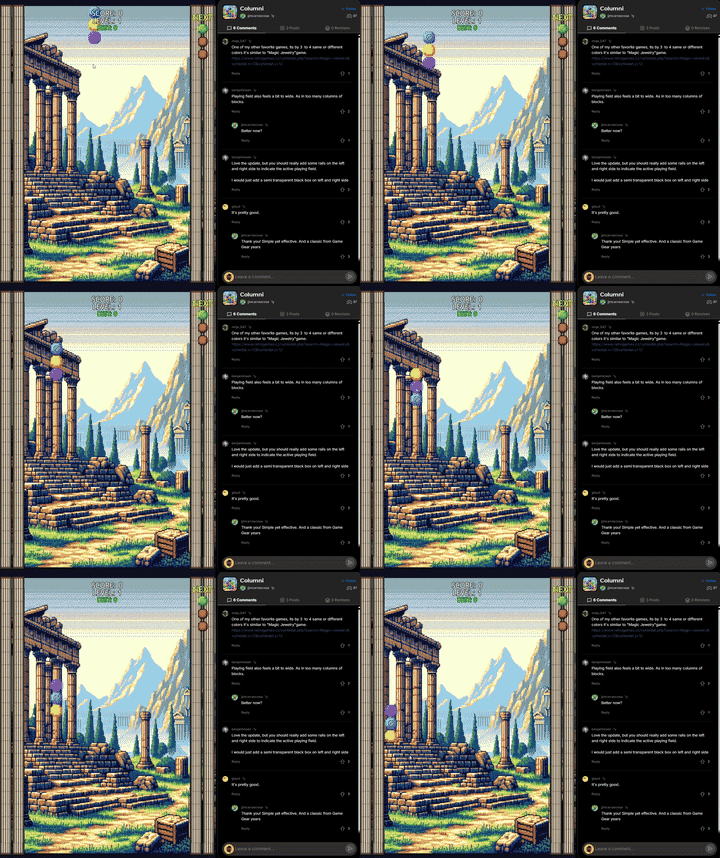
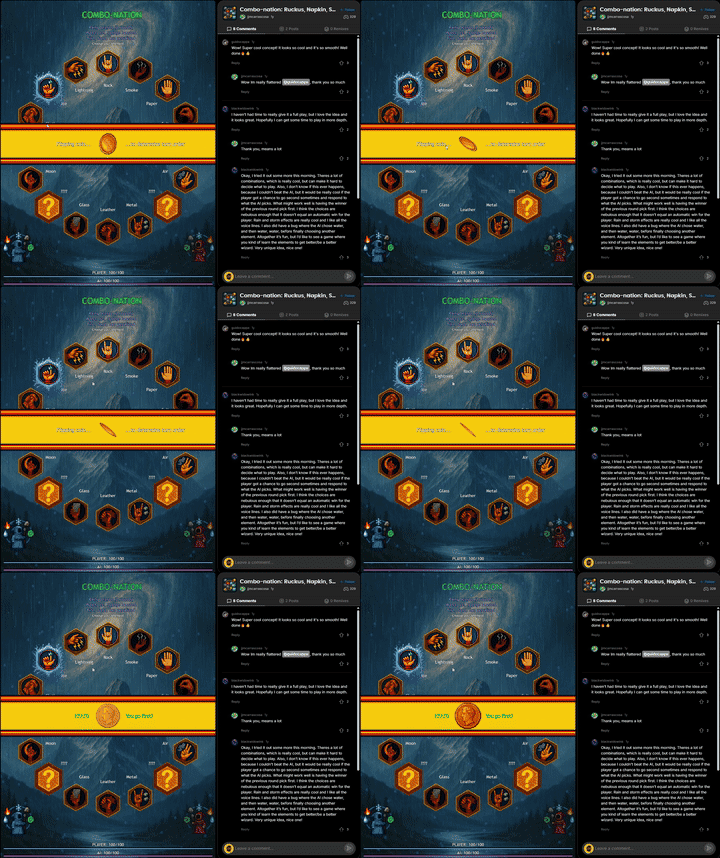
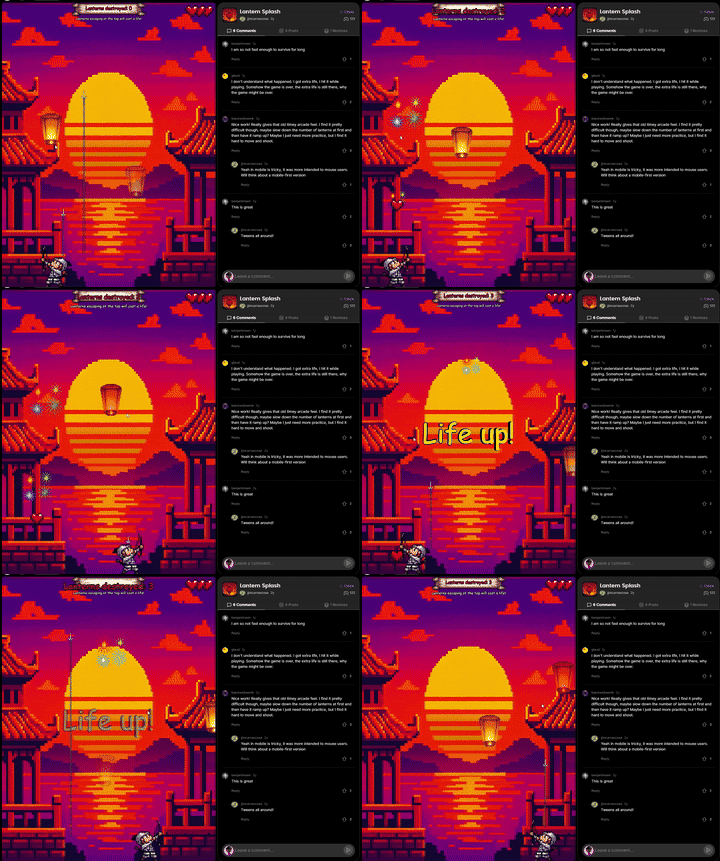
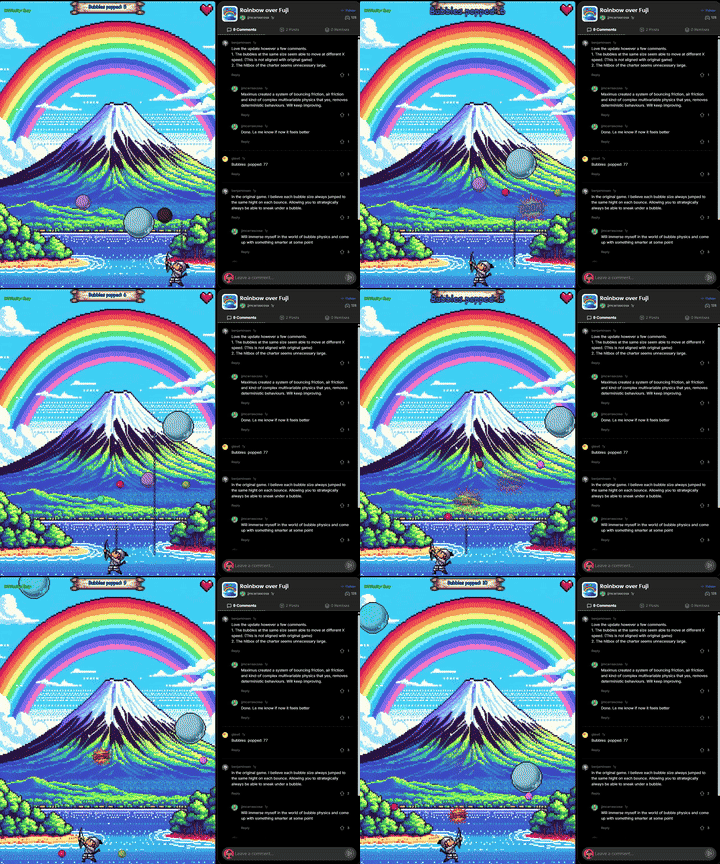
Closed source — it lives in a private studio repository, so there is nothing to click. Everything shown here is a capture of the running build, not a render.